Secondary menu

  • About Us
  • News & Stories
  • Translated Materials
Minnesota Department of Health logo
  • Data, Statistics, and Legislation

    Data, Statistics, and Legislation

    Statistical reports, health economics, policy, and legislation.
    Data, Statistics, and Legislation
    • Community Health
    • Diseases and Conditions
    • Environmental Health
    • Health Behaviors and Risk Factors
    • Health Care Cost and Quality
    • Reporting and Exchanging Data
    • Legislation and Policy
  • Diseases and Conditions

    Diseases and Conditions

    A-Z disease listing, diseases and conditions by type.
    Diseases and Conditions
  • Health Care Facilities, Providers, and Insurance

    Health Care Facilities and Providers

    Directories of facilities, professional certifications, health insurance and patient safety.
    Health Care Facilities and Providers
    • Facility Certification, Regulation and Licensing
    • Insurance
    • Health Information Technology
    • Provider Certifications, Licenses, Registrations and Rosters
    • Patient Health and Safety
    • Health Care Homes
    • Notices Related to Health Records
    • Rural Health and Primary Care
    • Trauma System
  • Healthy Communities, Environments, and Workplaces

    Healthy Communities, Environments, and Workplaces

    Indoor air and drinking water quality, community prevention and emergency preparedness.
    Healthy Communities, Environments, and Workplaces
    • Community Wellness and Health Equity
    • Healthy Schools and Child Care
    • Healthy Businesses and Workplaces
    • Local Public Health
    • Environments and Your Health
    • Safety and Prevention
    • Emergency Preparedness and Response
    • Equitable Health Care Task Force
    • Transforming the Public Health System in Minnesota
  • Individual and Family Health

    Individual and Family Health

    Birth records, immunizations, nutrition and physical activity.
    Individual and Family Health
    • Vital Records and Certificates
    • Disabilities and Special Health Needs
    • Disease Prevention and Symptom Management
    • Healthy Aging
    • Healthy Children, Youth and Adolescents
    • Mental Health and Well-being
    • Reproductive Rights and Protections in Minnesota
    • Women and Infants
MDH Logo

Breadcrumb

  1. Home
  2. Healthy Communities, Environment and Workplaces
  3. Environments and Your Health
  4. Water and Health
  5. Source Water Protection
Topic Menu

Source Water Protection (SWP)

  • SWP Home
  • Protecting Drinking Water Sources
  • SWP Requirements and Recommendations
  • SWP Grants
  • Groundwater Protection Initiative - Accelerated Implementation Grant
  • SWP Awards
  • Laws and Rules
  • SWP Web Map Viewer
  • Surface Water Program
  • SWP Reports and Data
  • SWP Implementation Resources
  • Source Water Assessments
  • Stories from the Source

Related Topics

  • Water: Business and Government
  • Drinking Water Information for Consumers
  • Water Testing and Data Reports
  • Minnesota Well Index
  • Clean Water Fund

Environmental Health Division

  • EH Division Home

Source Water Protection (SWP)

  • SWP Home
  • Protecting Drinking Water Sources
  • SWP Requirements and Recommendations
  • SWP Grants
  • Groundwater Protection Initiative - Accelerated Implementation Grant
  • SWP Awards
  • Laws and Rules
  • SWP Web Map Viewer
  • Surface Water Program
  • SWP Reports and Data
  • SWP Implementation Resources
  • Source Water Assessments
  • Stories from the Source

Related Topics

  • Water: Business and Government
  • Drinking Water Information for Consumers
  • Water Testing and Data Reports
  • Minnesota Well Index
  • Clean Water Fund

Environmental Health Division

  • EH Division Home
Contact Info
Drinking Water Protection Program
651-201-4700
health.drinkingwater@state.mn.us

Contact Info

Drinking Water Protection Program
651-201-4700
health.drinkingwater@state.mn.us

Surface Water Program

Clean Water Fund logo

There are 23 community Public Water Systems (PWS) that use surface water as their drinking water source, and those systems serve 1.4 million people, or approximately 25% of the state’s population. There are many different types of surface water sources including lakes, rivers, and mine pits. To see the communities within Minnesota that source their drinking water from surface water bodies, see the Map of Surface Water Public Water Suppliers (PDF).

How does MDH support surface water systems?

The Minnesota Department of Health (MDH) has dedicated two full-time staff—a hydrologist and a planner—to work with surface water systems to update their Source Water Assessment (SWA) and Surface Water Intake Protection Plan (SWIPP). MDH staff initiate this process by contacting the PWS. See Planner and Hydrologist Districts (PDF) for their contact information.
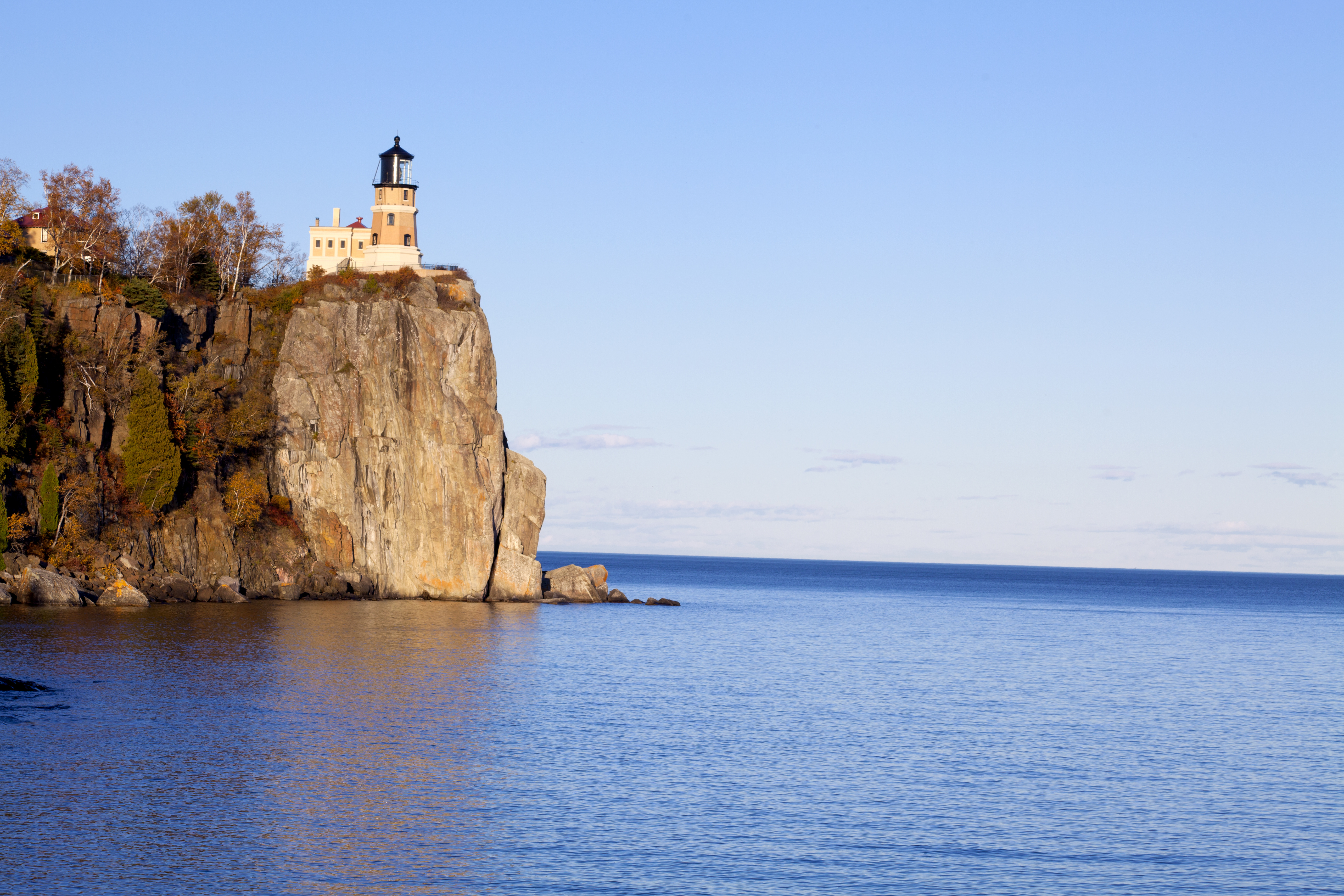
Split Rock Lighthouse on Lake Superior

SWAs and SWIPPs

Surface water systems have historical Source Water Assessments that MDH prepared in 2003. The assessments contain information about systems' upstream watersheds, water quality, the delineated protection areas, potential sources of contamination, and recommended actions they can take to help protect their source. In 2017, the Minnesota Legislature approved funding for MDH to assist surface water systems in updating their SWA and developing a SWIPP. These documents are reviewed and updated on a ten-year cycle.

SWIPPs use information from the SWAs to:

  • Identify and prioritize activities to protect the drinking water source.
  • Provide the PWS with state and federal grant information.
  • Describe how local partners, such as Soil and Water Conservation Districts and Watershed Districts, can help protect drinking water.

Communities that complete a SWIPP are eligible for Source Water Protection Plan Implementation Grants. For more information on MDH funding, see Source Water Protection Grants.

View program progress on each of the following maps:

  • SWA Progress (PDF).
  • SWIPP Progress (PDF).

Note: If interested in viewing a completed SWA or SWIPP, please contact the PWS or city.

Beyond the SWIPP

Drinking water concerns have not always been emphasized in watershed-wide water quality planning activities. MDH staff, in collaboration with local partners, will be working to ensure that implementation activities that benefit surface water sources of drinking water are appropriately identified and prioritized for funding through other federal and state resource delivery channels. The SWAs and SWIPPs generated are designed to fit within and inform the multi-agency Minnesota Water Management Framework (PDF) and the Watershed Health Assessment Framework. The framework uses monitoring and assessment data collected from within a watershed as the basis for a Watershed Restorations and Protection Strategy (WRAPS) report. Information in the WRAPS report is then used to create a One Watershed One Plan document, which outlines watershed-wide management strategies that will be completed in that watershed by local counties, watershed districts, soil and water conservation districts, cities, and townships.

Success stories

Using the guidance of the SWIPP, every system has the opportunity to implement a project that can have an impact on improving or protecting their drinking water source. The following are stories of successful source water protection initiatives at surface water systems:

  • Innovative Nitrate Bioreactor in the City of Fairmont’s Wetland Restoration Project.
     
Tags
  • environment
Last Updated: 02/09/2026
  • Facebook
  • X
  • Instagram
  • LinkedIn
  • Youtube

About MDH

  • About Us
  • Grants and Loans
  • Advisory Committees

Legal & Accessibility

  • Privacy Policy
  • Equal Opportunity
  • Feedback Form

Careers at MDH

This is an official website of the State of Minnesota. Visit Minnesota.gov for more information.