
Commercial Tobacco Use
- Commercial Tobacco Use Home
- Data and Reports
- Get Help Quitting
- Prevention and Treatment
- Tobacco and Your Health
Learn More
- Behavioral Health and Commercial Tobacco
- E-cigarettes and Vaping
- Flavored Commercial Tobacco
- Menthol Commercial Tobacco
- Nicotine and Nicotine Dependence
- Nicotine Pouches and Other Emerging Products
- Promoting Quitting and Treatment
- Secondhand Smoke and Aerosol
- Smoke-Free Housing
- Traditional and Sacred Tobacco
Related Topics
Contact Info
Commercial Tobacco Use
E-cigarettes and Vaping
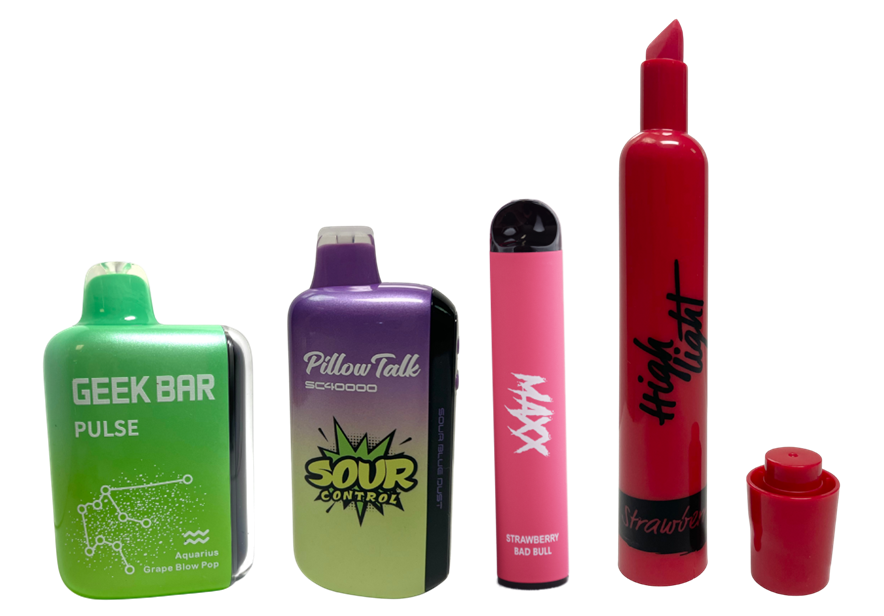
E-cigarette use, also known as vaping, is the use of battery-powered devices that heat a liquid – typically containing nicotine, flavorings, and other chemicals – into an aerosol that is inhaled. Vaping pose significant health risks, especially for youth, as nicotine is highly addictive and can harm brain development as teens grow.
On this page:
Vaping and your health
Vaping among Minnesota youth
Vaping and cannabis
Vaping and quitting smoking
Vaping and the environment
How communities can take action to protect youth
Vaping and your health
Vaping poses serious health risks, particularly to the lungs, heart, and mental health. E-cigarettes expose people to harmful chemicals, including nicotine, heavy metals, and other toxic substances. Breathing these chemicals over a long period of time can lead to chronic lung diseases, such as bronchiolitis obliterans (commonly known as "popcorn lung"), and may increase the risk of cardiovascular diseases like high blood pressure and heart attacks. Studies also suggest vaping may impair immune function and contribute to long-term neurological effects due to nicotine’s impact on brain development.
Secondhand aerosol from e-cigarettes also presents health concerns. Unlike secondhand smoke from cigarettes, e-cigarette aerosol contains ultrafine particles, nicotine, and toxic chemicals that can be inhaled by bystanders. Exposure to secondhand aerosol has been linked to respiratory irritation, increased risk of asthma attacks, and potential cardiovascular effects.
Vaping among Minnesota youth
While e-cigarettes are the most used commercial tobacco product among youth, data from the 2025 Minnesota Student Survey shows that vaping continues to decline in all grades. For example, vaping among Minnesota 11th graders has dropped from 25% in 2019 to 8% in 2025. However, vaping rates are higher among those experiencing economic hardship, like homelessness or food insecurity, or mental health challenges.
Despite declines in use, Minnesota Youth Tobacco Survey data show that students who vape increasingly reporting signs of nicotine dependence. Overall, 79.6% of students who used e-cigarettes in 2023 reported one or more signs of dependence, an increase from 70.4% in 2020.
Why youth vape
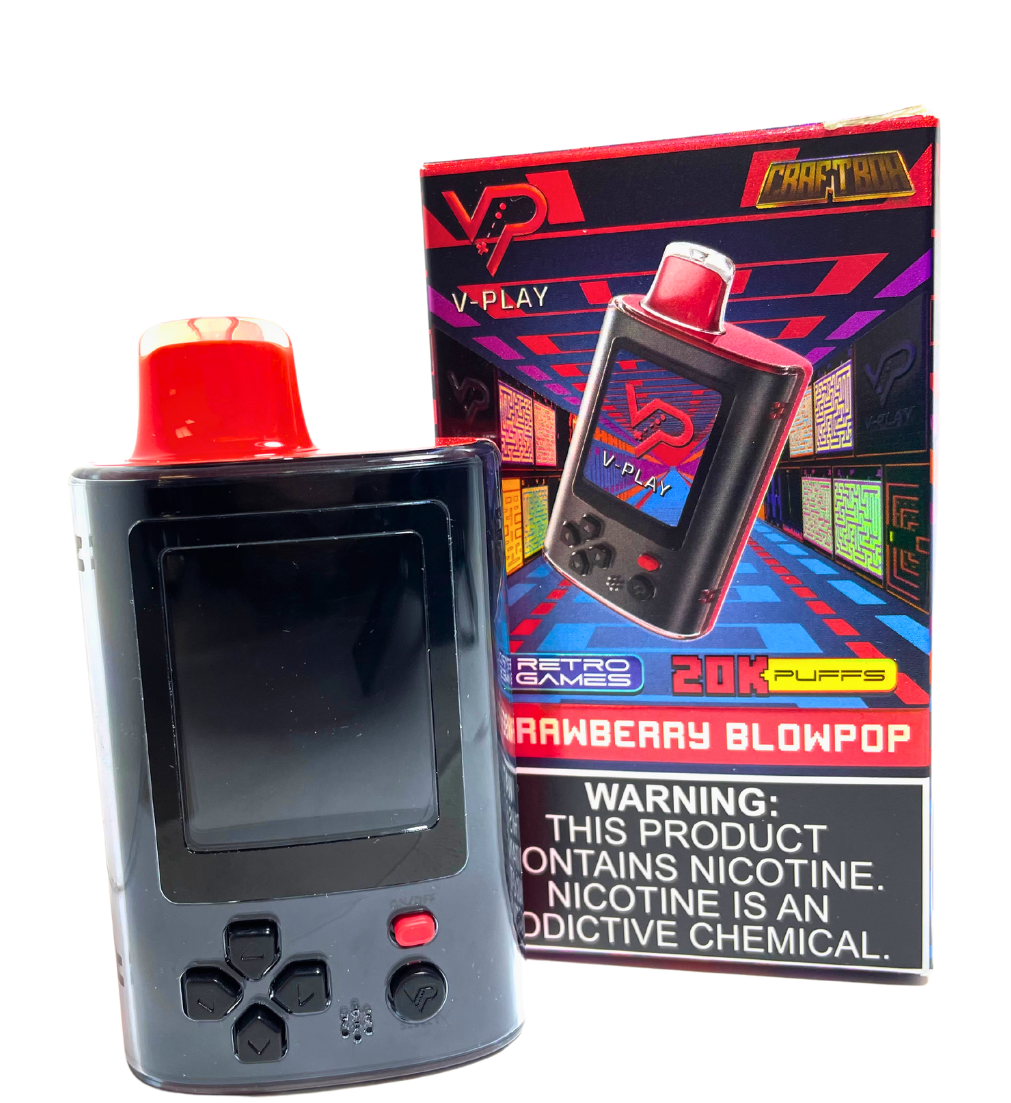
Youth vape for several reasons, including exposure to widespread e-cigarette marketing, the availability of appealing flavors, and social influences. Flavored e-cigarettes – such as fruit, candy, and mint – are especially popular among youth, with most youth starting with flavored varieties.
The tobacco industry uses advertising tactics that attract young people, and many students report seeing e-cigarette promotions in retail stores, online, and on social media. Social factors also play a big role, as many students try vaping because their friends or family members vape.
Not only are e-cigarettes designed to be appealing and addictive, “smart” vapes offer tech features that also appeal to youth. Smart vapes are e-cigarettes that have digital displays with features like animations, games, reward systems, touchscreens, and customizable wallpapers. Some smart vapes can connect to messaging and social media apps on smartphones.
Learn more: Why Youth Vape | Centers for Disease Control and Prevention
Free help quitting for teens
My Life, My Quit™ helps Minnesota teens ages 13-17 quit vaping, smoking, or using other commercial tobacco and nicotine products. My Life, My Quit™ is free and confidential, and teens can text, call, or chat with quit coaches online. Tips and tools are also available online.
Teens can text “Start My Quit” to 36072, visit mylifemyquit.com, or download the app.
Parents and caregivers play a crucial role in preventing youth vaping by setting a good example, having open conversations, and creating a commercial tobacco-free environment at home.
Here’s what parents and caregivers can do:
- Be aware: Know the risks of commercial tobacco use, like smoking, vaping, or using chew, as well as the different types of products kids are using. E-cigarettes are the most used commercial tobacco product among youth, and nearly all e-cigarettes contain nicotine, which is highly addictive.
- Educate and communicate: Talk to your children about the risks of vaping, including nicotine dependence and its effects on brain development and mental health. Keep the conversation open and non-judgmental to help teens feel comfortable discussing their experiences and pressures.
- Set clear expectations: Establish family rules about not using commercial tobacco products. Explain the reasons behind the rules to discourage experimentation.
- Be a role model: Avoid using commercial tobacco yourself to send a strong message about healthy choices.
- Monitor and support: If your child is already vaping or using other commercial tobacco products, encourage them to quit and connect them with resources like quit programs or their healthcare provider.
Learn more: E-cigarettes and Youth: What Parents Need to Know | Centers for Disease Control and Prevention (PDF)
Many Minnesota teachers and school staff report an overwhelming number of youth vaping during the school day. Free tools are available to address vaping in schools. Our webpage Tools to Address Vaping in Schools outlines vaping prevention curricula and offers resources to help schools strengthen policies, engage parents and staff, and support students in quitting. It also highlights the risks of nicotine addiction and its impact on chronic health conditions like asthma and academic performance.
Learn more: Tools to Address Vaping in Schools
Minnesota has multiple counter-marketing campaigns to raise awareness of the dangers of vaping, foster peer-to-peer engagement, and encourage young people to quit.
These campaigns work to change social norms around vaping and the use of other commercial tobacco products, as well as promote resources on wellbeing and tools to help young people quit.
Learn more: Youth Counter-Marketing Campaigns | Commercial Tobacco Use

Vaping and quitting smoking
E-cigarettes are not FDA-approved for quitting smoking or the use of other commercial tobacco products. E-cigarettes haven’t gone through the rigorous testing required to be officially recommended to help people quit – they come in many different types and people use them in various ways, which makes it hard to draw broad conclusions about their effectiveness in helping people quit.
The CDC and FDA emphasize that there are safer, proven methods to quit smoking, such as FDA-approved medications and behavioral counseling, which have been shown to double the chances of quitting successfully.
Get free help to quit smoking or vaping
Most people who smoke, vape, or use dip or chew want to quit. Quitting has both immediate and long-term health benefits. It also helps protect family and friends who may be exposed to secondhand smoke or aerosol, especially infants and those who may have asthma or other chronic health issues.
Free help is available to all people who live in Minnesota. People who use phone coaching and quit medications are twice as likely to successfully quit. Learn more: Get Help Quitting
Free help with Quit PartnerTM
Get free coaching, text and email support, and medications like nicotine patches, gum, or lozenges.
Visit quitpartnermn.com.