
Secondary menu

  • About Us
  • News & Stories
  • Translated Materials
Minnesota Department of Health logo
  • Data, Statistics, and Legislation

    Data, Statistics, and Legislation

    Statistical reports, health economics, policy, and legislation.
    Data, Statistics, and Legislation
    • Community Health
    • Diseases and Conditions
    • Environmental Health
    • Health Behaviors and Risk Factors
    • Health Care Cost and Quality
    • Reporting and Exchanging Data
    • Legislation and Policy
  • Diseases and Conditions

    Diseases and Conditions

    A-Z disease listing, diseases and conditions by type.
    Diseases and Conditions
  • Health Care Facilities, Providers, and Insurance

    Health Care Facilities and Providers

    Directories of facilities, professional certifications, health insurance and patient safety.
    Health Care Facilities and Providers
    • Facility Certification, Regulation and Licensing
    • Insurance
    • Health Information Technology
    • Provider Certifications, Licenses, Registrations and Rosters
    • Patient Health and Safety
    • Health Care Homes
    • Notices Related to Health Records
    • Rural Health and Primary Care
    • Trauma System
  • Healthy Communities, Environments, and Workplaces

    Healthy Communities, Environments, and Workplaces

    Indoor air and drinking water quality, community prevention and emergency preparedness.
    Healthy Communities, Environments, and Workplaces
    • Community Wellness and Health Equity
    • Healthy Schools and Child Care
    • Healthy Businesses and Workplaces
    • Local Public Health
    • Environments and Your Health
    • Safety and Prevention
    • Emergency Preparedness and Response
    • Equitable Health Care Task Force
    • Transforming the Public Health System in Minnesota
  • Individual and Family Health

    Individual and Family Health

    Birth records, immunizations, nutrition and physical activity.
    Individual and Family Health
    • Vital Records and Certificates
    • Disabilities and Special Health Needs
    • Disease Prevention and Symptom Management
    • Healthy Aging
    • Healthy Children, Youth and Adolescents
    • Mental Health and Well-being
    • Reproductive Rights and Protections in Minnesota
    • Women and Infants
MDH Logo

Breadcrumb

  1. Home
  2. Diseases and Conditions
  3. Tickborne Diseases
Topic Menu

Tickborne Diseases

  • Tickborne Diseases Home
  • Diseases and Conditions
  • Prevention
  • Ticks
  • Monitoring
  • Tickborne Statistics
  • Materials
  • Videos
  • For Health Professionals

Related Topics

  • International Travel & Infectious Disease
  • Vectorborne Diseases Home
  • Mosquitoborne Diseases
  • Other Pests of Medical Interest
  • Vectorborne Diseases and Climate Change
  • Infectious Diseases A-Z
  • Reportable Infectious Diseases

Tickborne Diseases

  • Tickborne Diseases Home
  • Diseases and Conditions
  • Prevention
  • Ticks
  • Monitoring
  • Tickborne Statistics
  • Materials
  • Videos
  • For Health Professionals

Related Topics

  • International Travel & Infectious Disease
  • Vectorborne Diseases Home
  • Mosquitoborne Diseases
  • Other Pests of Medical Interest
  • Vectorborne Diseases and Climate Change
  • Infectious Diseases A-Z
  • Reportable Infectious Diseases
Contact Info
Infectious Disease Epidemiology, Prevention and Control Division
651-201-5414
IDEPC Comment Form

Contact Info

Infectious Disease Epidemiology, Prevention and Control Division
651-201-5414
IDEPC Comment Form

Tick Monitoring

Have you found a suspicious-looking tick?

Fill out a Submission Form for Tick Identification (PDF) and mail it into our tick experts. We will identify the tick and let you know what it is. By doing so, you will also help us monitor tick species that may be affecting people and animals in Minnesota.

Learn more about Minnesota ticks:

In Minnesota, there are about a dozen different types of ticks but only a few species that people may come across:

  • American dog tick (aka wood tick) – commonly found throughout all counties of the state in wooded or grassy areas.
  • Blacklegged tick (aka deer tick) – becoming more common in Minnesota and may be found in most wooded areas. View this map to see the Current Distribution of Blacklegged Tick Populations by County in Minnesota (PDF).
  • Lone star tick – rarely found in wooded or grassy areas in Minnesota. Single tick reports have occurred throughout the state. View this map to see the distribution of Lone Star Tick Reports by County in Minnesota (PDF).

To learn more about the ticks you may come across in Minnesota, visit our Ticks page.

Learn what to do after a bite! Check out CDC's Tick Bite Bot.

  • The Tick Bite Bot is an interactive tool that gives information on removing ticks and determining when to seek health care, if appropriate, after a tick bite.
  • The online mobile-friendly tool asks a series of questions covering topics such as tick attachment time and symptoms.


Learn about MDH's tick collection program:

Staff from the Vectorborne Disease Unit regularly hunt for ticks at various sites throughout the state in a process called "tick dragging." Using a white canvas cloth, ticks are collected and identified to species under a microscope. Scientists can then use this information to understand when and where ticks are active in Minnesota, how many ticks are infected with a disease agent, and explore other research questions as well.
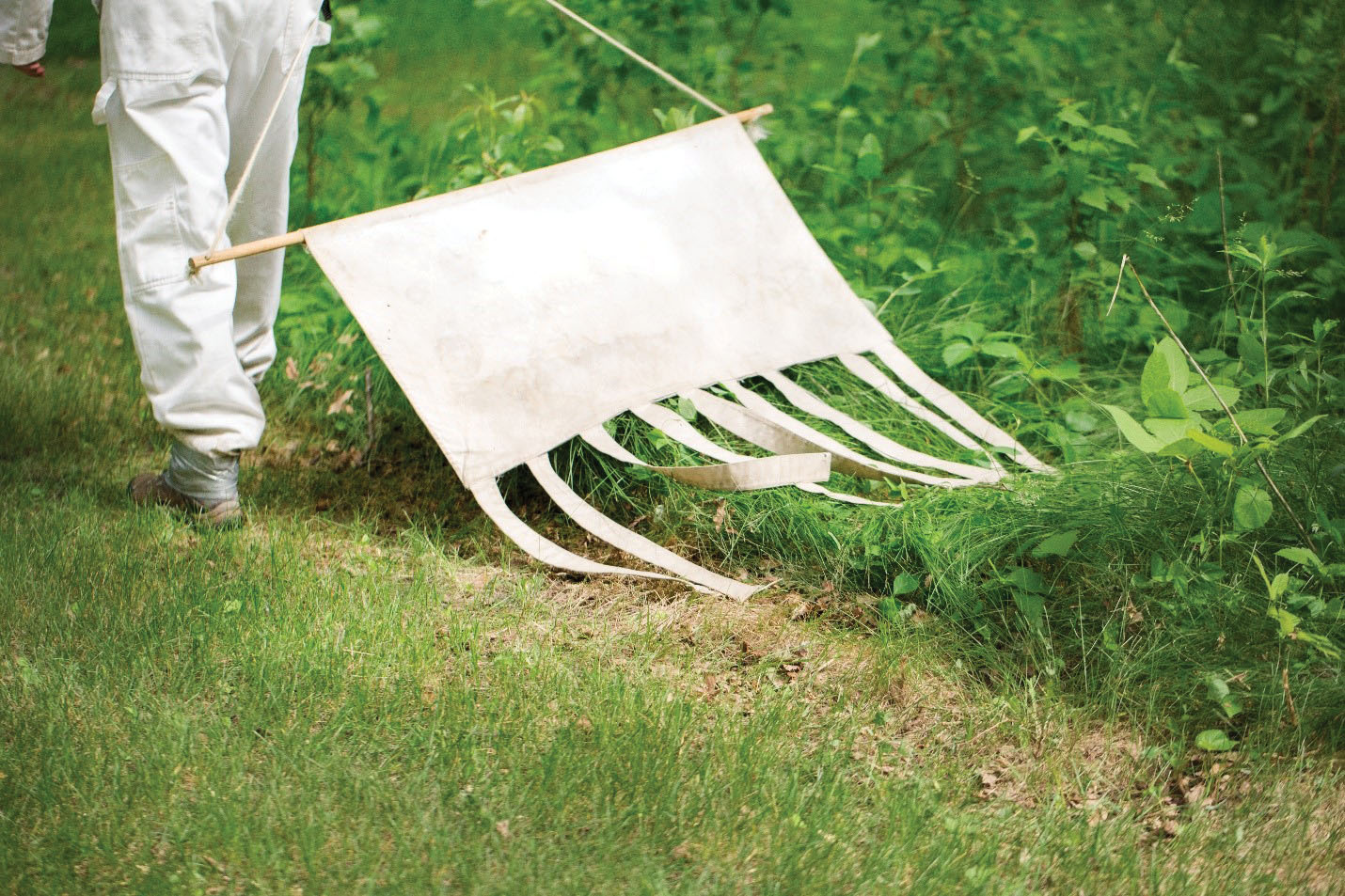
image of tick drag cloth in the wild

Tags
  • tickborne
Last Updated: 08/01/2025
  • Facebook
  • X
  • Instagram
  • LinkedIn
  • Youtube

About MDH

  • About Us
  • Grants and Loans
  • Advisory Committees

Legal & Accessibility

  • Privacy Policy
  • Equal Opportunity
  • Feedback Form

Careers at MDH

This is an official website of the State of Minnesota. Visit Minnesota.gov for more information.