
Secondary menu

  • About Us
  • News & Stories
  • Translated Materials
Minnesota Department of Health logo
  • Data, Statistics, and Legislation

    Data, Statistics, and Legislation

    Statistical reports, health economics, policy, and legislation.
    Data, Statistics, and Legislation
    • Community Health
    • Diseases and Conditions
    • Environmental Health
    • Health Behaviors and Risk Factors
    • Health Care Cost and Quality
    • Reporting and Exchanging Data
    • Legislation and Policy
  • Diseases and Conditions

    Diseases and Conditions

    A-Z disease listing, diseases and conditions by type.
    Diseases and Conditions
  • Health Care Facilities, Providers, and Insurance

    Health Care Facilities and Providers

    Directories of facilities, professional certifications, health insurance and patient safety.
    Health Care Facilities and Providers
    • Facility Certification, Regulation and Licensing
    • Insurance
    • Health Information Technology
    • Provider Certifications, Licenses, Registrations and Rosters
    • Patient Health and Safety
    • Health Care Homes
    • Notices Related to Health Records
    • Rural Health and Primary Care
    • Trauma System
  • Healthy Communities, Environments, and Workplaces

    Healthy Communities, Environments, and Workplaces

    Indoor air and drinking water quality, community prevention and emergency preparedness.
    Healthy Communities, Environments, and Workplaces
    • Community Wellness and Health Equity
    • Healthy Schools and Child Care
    • Healthy Businesses and Workplaces
    • Local Public Health
    • Environments and Your Health
    • Safety and Prevention
    • Emergency Preparedness and Response
    • Equitable Health Care Task Force
    • Transforming the Public Health System in Minnesota
  • Individual and Family Health

    Individual and Family Health

    Birth records, immunizations, nutrition and physical activity.
    Individual and Family Health
    • Vital Records and Certificates
    • Disabilities and Special Health Needs
    • Disease Prevention and Symptom Management
    • Healthy Aging
    • Healthy Children, Youth and Adolescents
    • Mental Health and Well-being
    • Reproductive Rights and Protections in Minnesota
    • Women and Infants
MDH Logo

Breadcrumb

  1. Home
  2. Healthy Communities, Environment and Workplaces
  3. Farm To School
Topic Menu

Farm to School

  • Farm to School Home
  • Basics
  • Core Elements
  • Getting Started
  • Resources

Related Sites

  • Early Care and Education
  • Healthy Eating
  • SHIP

Farm to School

  • Farm to School Home
  • Basics
  • Core Elements
  • Getting Started
  • Resources

Related Sites

  • Early Care and Education
  • Healthy Eating
  • SHIP
Contact Info
Office of Statewide Health Improvement Initiatives
health.healthyeating@state.mn.us

Contact Info

Office of Statewide Health Improvement Initiatives
health.healthyeating@state.mn.us

Farm to School Basics

Minnesota Schools are Embracing Farm to School
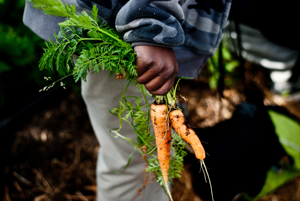
kid holding carrotsMinnesota schools are embracing Farm to School, which support schools' work to partner with local farmers and purchase and feature locally grown produce in school meals. Farm to School also incorporates educational opportunities with nutritional information, farm visits and school-based agriculture.

Partnerships benefit kids, farmers and communities

Thanks to Farm to School, kids eat more fresh local foods and learn about where their food comes from, all while supporting local farmers.

Learn how many schools nationally and in Minnesota connect with Farm to School.

  • National Farm to School Census Data
  • Minnesota Farm to School Census Data

Farm to School Benefits

Farm to School initiatives provide students and staff with healthy, locally grown produce. By connecting farms to schools, everyone benefits.

  • Students eat better: Farm to School programs have been shown to increase the number of fruits and vegetables kids eat as well as knowledge of nutrition and willingness to try new fruits and vegetables.1
  • Local economies get a boost: Farm to School can increase market opportunities for farmers and producers. Based on a study in Central Minnesota, $1 million in sales by small-scale farmers generated $1.6 million in the regional economy.2
  • Students have more educational opportunities: Thanks to Farm to School, students have a chance to grow their own produce; participate in farm tours, cooking classes and taste tasting; and get introduced to nutrition curricula.

Learn More

  • The Benefits of Farm to School (PDF) from the National Farm to School Network
  • Economic Impacts of Farm to School (PDF)
  • Farm to School in Minnesota (University of Minnesota Extension)

1Yoder, A.B., Liebhart, J.L., McCarty, D.J., Meinen, A., Schoeller, D., Vargas, C., & LaRowe, T. (2014). Farm to Elementary School Programming Increases Access to Fruits and Vegetables and Increases Their Consumption Among Those With Low Intake. Journal of Nutrition Education and Behavior, 46(5): 341-349. https://doi.org/10.1016/j.jneb.2014.04.297

2Pesch, R., and Tuck, B., Financial Benchmarks and Economic Impact of Local Food Operations, 2015, https://conservancy.umn.edu/bitstream/handle/11299/179080/2015-Financial-Benchmarks-Local-Food-Operations.pdf?sequence=1&isAllowed=y

Tags
  • farm to school
Last Updated: 10/03/2022
  • Facebook
  • X
  • Instagram
  • LinkedIn
  • Youtube

About MDH

  • About Us
  • Grants and Loans
  • Advisory Committees

Legal & Accessibility

  • Privacy Policy
  • Equal Opportunity
  • Feedback Form

Careers at MDH

This is an official website of the State of Minnesota. Visit Minnesota.gov for more information.