
Secondary menu

  • About Us
  • News & Stories
  • Translated Materials
Minnesota Department of Health logo
  • Data, Statistics, and Legislation

    Data, Statistics, and Legislation

    Statistical reports, health economics, policy, and legislation.
    Data, Statistics, and Legislation
    • Community Health
    • Diseases and Conditions
    • Environmental Health
    • Health Behaviors and Risk Factors
    • Health Care Cost and Quality
    • Reporting and Exchanging Data
    • Legislation and Policy
  • Diseases and Conditions

    Diseases and Conditions

    A-Z disease listing, diseases and conditions by type.
    Diseases and Conditions
  • Health Care Facilities, Providers, and Insurance

    Health Care Facilities and Providers

    Directories of facilities, professional certifications, health insurance and patient safety.
    Health Care Facilities and Providers
    • Facility Certification, Regulation and Licensing
    • Insurance
    • Health Information Technology
    • Provider Certifications, Licenses, Registrations and Rosters
    • Patient Health and Safety
    • Health Care Homes
    • Notices Related to Health Records
    • Rural Health and Primary Care
    • Trauma System
  • Healthy Communities, Environments, and Workplaces

    Healthy Communities, Environments, and Workplaces

    Indoor air and drinking water quality, community prevention and emergency preparedness.
    Healthy Communities, Environments, and Workplaces
    • Community Wellness and Health Equity
    • Healthy Schools and Child Care
    • Healthy Businesses and Workplaces
    • Local Public Health
    • Environments and Your Health
    • Safety and Prevention
    • Emergency Preparedness and Response
    • Equitable Health Care Task Force
    • Transforming the Public Health System in Minnesota
  • Individual and Family Health

    Individual and Family Health

    Birth records, immunizations, nutrition and physical activity.
    Individual and Family Health
    • Vital Records and Certificates
    • Disabilities and Special Health Needs
    • Disease Prevention and Symptom Management
    • Healthy Aging
    • Healthy Children, Youth and Adolescents
    • Mental Health and Well-being
    • Reproductive Rights and Protections in Minnesota
    • Women and Infants
MDH Logo

Breadcrumb

  1. Home
  2. Healthy Communities, Environment and Workplaces
  3. Environments and Your Health
  4. Health Risk Assessment
  5. Minnesota Guidance
  6. Contaminants of Emerging Concern (CEC) Protecting Minnesota’s Water Resources
Topic Menu

Clean Water Fund: Contaminants of Emerging Concern (CEC)

  • CEC Home
  • Chemicals Under Review
  • Information Sheets
  • Special Projects
  • Nominate Contaminants

MDH Legacy Initiatives

  • Clean Water Fund Home
  • Contaminants of 
    Emerging Concern
  • Groundwater Protection Initiative - Accelerated Implementation Grant
  • Groundwater Restoration and Protection Strategies (GRAPS)
  • Pathogen Project
  • Private Well Protection
  • Source Water Protection Planning and Grants
  • Water Reuse

Related Topics

  • Drinking Water Protection
  • Source Water Protection
  • Health Risk Assessment

Environmental Health Division

  • EH Division Home

Clean Water Fund: Contaminants of Emerging Concern (CEC)

  • CEC Home
  • Chemicals Under Review
  • Information Sheets
  • Special Projects
  • Nominate Contaminants

MDH Legacy Initiatives

  • Clean Water Fund Home
  • Contaminants of 
    Emerging Concern
  • Groundwater Protection Initiative - Accelerated Implementation Grant
  • Groundwater Restoration and Protection Strategies (GRAPS)
  • Pathogen Project
  • Private Well Protection
  • Source Water Protection Planning and Grants
  • Water Reuse

Related Topics

  • Drinking Water Protection
  • Source Water Protection
  • Health Risk Assessment

Environmental Health Division

  • EH Division Home
Contact Info
Health Risk Assessment Unit
651-201-4899
health.risk@state.mn.us

Contact Info

Health Risk Assessment Unit
651-201-4899
health.risk@state.mn.us

Rapid Assessments for Pharmaceuticals

Project background
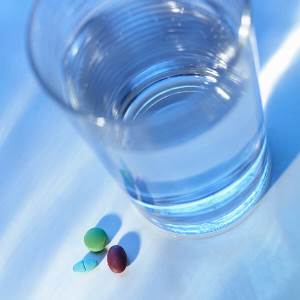
photo of pills and a glass of water

Pharmaceuticals are medicines that are available in stores or by prescription and are used to treat illness in humans and animals. The presence of pharmaceuticals in water is of increasing concern to the Minnesota Department of Health (MDH) because they may cause harm to humans.

Pharmaceuticals enter rivers, lakes, and groundwater when human waste, animal waste, or discarded medications move from storm water systems, sewer systems, or septic tanks into water.

Pharmaceuticals in water may break down but can be constantly replenished. Wastewater and drinking water treatment may not completely remove pharmaceuticals. As a result, these chemicals can be found in drinking water sources for Minnesotans.

Project details

MDH developed a rapid assessment method for evaluating the health risks of pharmaceuticals found or likely to be found in drinking water sources. The method was used to assess 119 active pharmaceutical ingredients (APIs) from a list of the most commonly prescribed pharmaceuticals in the United States, as well as those commonly looked for (monitored) and found in the environment.

The main outcome was the development of water screening values. A water screening value is the amount of an API in water that can be consumed daily with no expected health risk to humans. The water screening values developed are intended to be lower (be more protective of health) than values that result from an in-depth assessment by MDH.

For more information, including the methodology and the resulting water screening values, read the Pharmaceutical Water Screening Values Report, published August 2015.

  • Pharmaceutical Water Screening Values Report (PDF)

The most current pharmaceutical water screening values are located in the Excel table below. This table includes any pharmaceutical water screening values added since the completion of the report in 2015 and does not include pharmaceuticals for which MDH has derived health-based guidance values.

  • Pharmaceutical Water Screening Values Table (July 2018, Excel)

Project applications

The recommended uses of the results of the project are to:

  1. Prioritize pharmaceuticals for development of new health-based values to protect human health
  2. Guide future monitoring efforts looking for pharmaceuticals in water
  3. Inform development or refinement of laboratory analytical techniques to measure pharmaceuticals in water
  4. Provide context to pharmaceuticals found in drinking water sources

Sharing the Science

Pharmaceuticals in water are an important issue to many in the scientific community. MDH has shared the results of its pharmaceutical screening project with other interested parties through the report linked above and at meetings of professional societies. For more information, see: Poster presentations on the pharmaceutical screening project.
Click to return to the MDH Clean Water Legacy home page. 

Tags
  • environment
Last Updated: 09/30/2024
  • Facebook
  • X
  • Instagram
  • LinkedIn
  • Youtube

About MDH

  • About Us
  • Grants and Loans
  • Advisory Committees

Legal & Accessibility

  • Privacy Policy
  • Equal Opportunity
  • Feedback Form

Careers at MDH

This is an official website of the State of Minnesota. Visit Minnesota.gov for more information.