
2024 Public Health Laboratory Annual Report
Preparing for Outbreaks of Rare Diseases
When doctors and other health professionals want to test patients for common diseases, they rely on hospital laboratories. To test for rarer infectious diseases, they send samples to the Infectious Disease Laboratory.
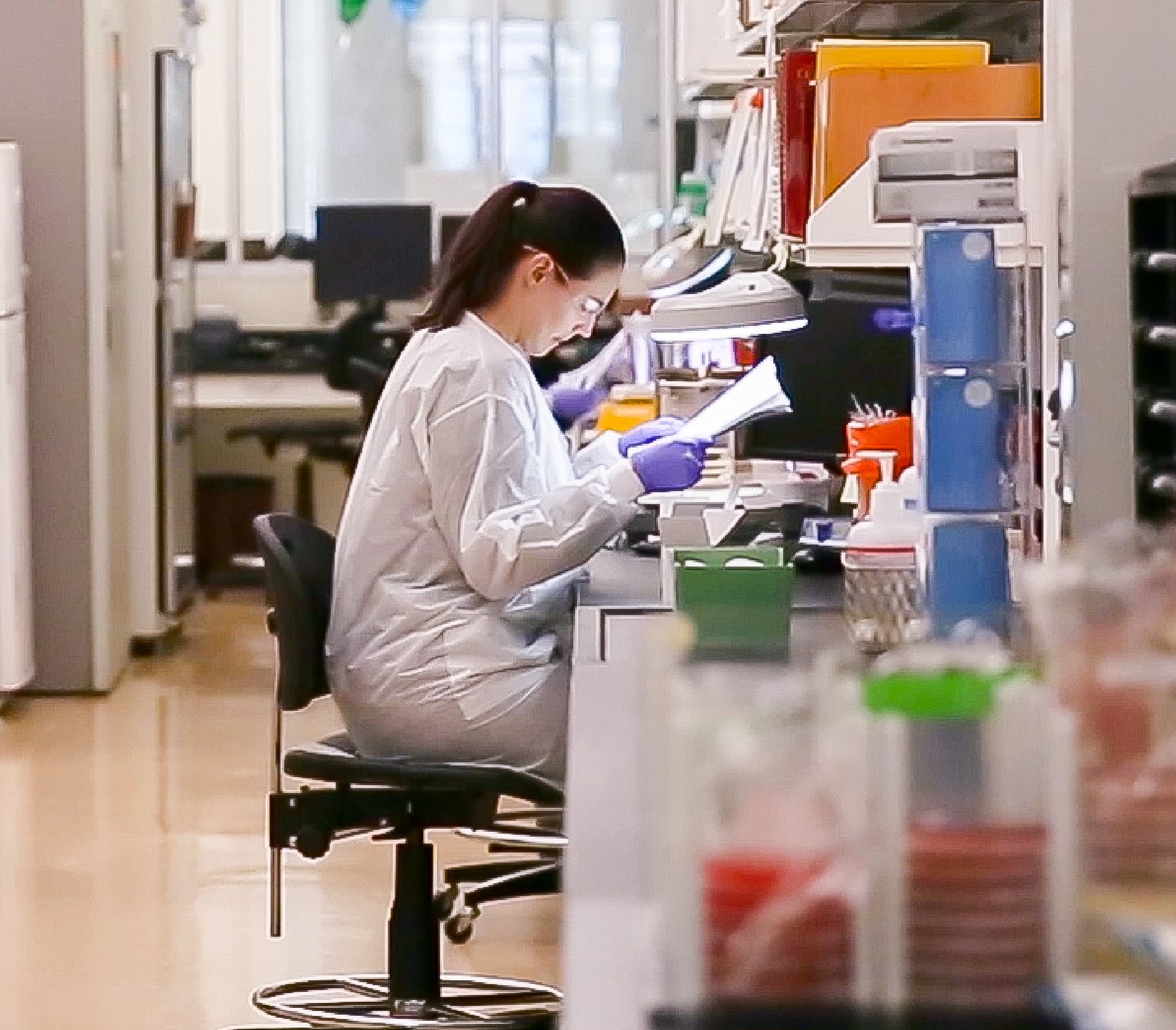 Our lab handles a steady stream of specimens to test for rare diseases. Occasionally, an outbreak of a rare disease will bring in a flood of samples. The lab must then pivot quickly to manage the surge. Supervisors must make difficult decisions about what regular work must be temporarily set aside. This sort of sudden shift occurred most dramatically during the beginning of the COVID-19 pandemic, when the Infectious Disease Laboratory was the only facility in Minnesota that could process tests.
As COVID-19 passes from being a global pandemic to an everyday concern on par with influenza or other seasonal viral infections, the Public Health Laboratory continues monitoring other infectious diseases for their ability to become widespread. Here are a few diseases that are currently rare but have the potential to cause an epidemic, which is a sudden and localized spread, or even a pandemic, which would stretch across countries and perhaps continents:
Avian influenza A: H5N1
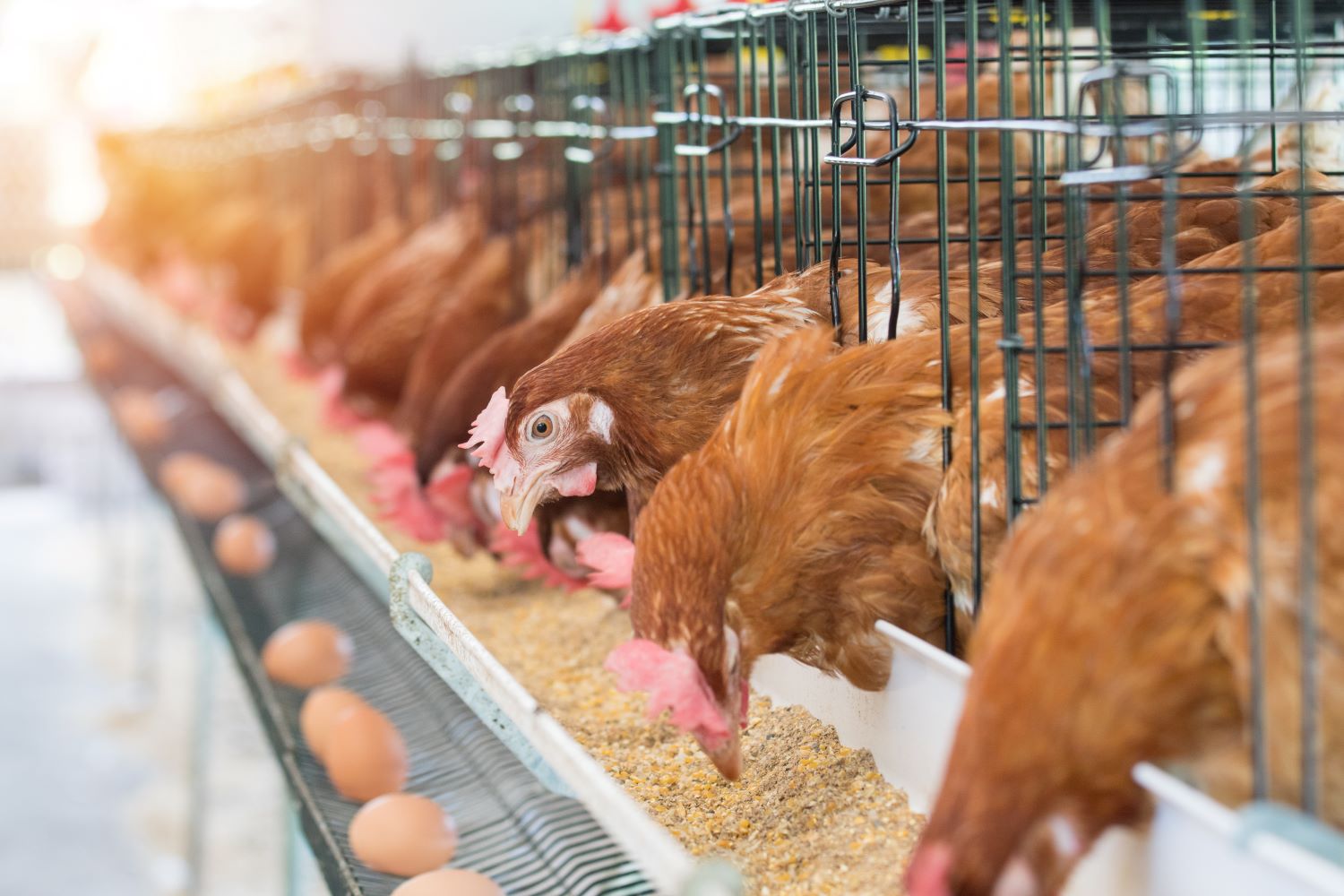 An outbreak of Highly Pathogenic Avian Influenza (HPAI), also known as “bird flu,” has been infecting millions of birds in poultry farms since 2022. The virus enters Minnesota through migrating waterfowl. There have been many different of HPAI in the past few decades; researchers refer to the current one as Avian Influenza A (H5N1).
The risk of humans contracting Avian Influenza A (H5N1) from animals remains low. Those most at risk of getting sick are people who have direct contact with infected animals on farms. Any farmworker who experiences flu-like symptoms should get tested for the disease. Prevention is key: It’s important to use personal protective equipment when working with infected animals and keep up to date on flu vaccines. The common flu is a different, related virus, but when recombined with H5N1, it could mutate into a much more dangerous version.
In June 2024, H5N1 was discovered in cows for the first time. Unlike H1N1, the virus that caused a pandemic in 2009, H5N1 is not transmitting from person to person. The Infectious Disease Laboratory is carefully monitoring human cases of H5N1 to find any indications that the virus might develop an ability to spread between people. The lab works directly with government agency partners at the federal, state and local levels in order to obtain and disseminate information and maintain readiness for the potential human-to-human spread of H5N1.
Measles
 Measles is a highly contagious virus that is especially dangerous for babies and young children. Before the introduction of a vaccine in 1968, measles led to hundreds of deaths per year in the United States. In 2000, the disease was declared eliminated. Increasingly, however, some communities are avoiding the MMR (measles, mumps, rubella) vaccine, and measles is making a comeback.
The Minnesota Infectious Disease Laboratory is a regional leader in measles testing. A recent outbreak in Chicago led our lab to assist, running tests on weekends. It can be very difficult to anticipate an outbreak, but the lab carefully monitors trends and maintains laboratory testing capacity year-round.
Tularemia
Like H5N1, tularemia is a disease that mostly afflicts people in rural areas. It can be contracted in a wide variety of ways: through water in which an infected animal died, through a tick or fly bite, from eating or skinning an infected animal, etc. Sometimes it is known as “the lawnmower disease” because people can catch it from inhaling the air after mowing over a dead animal. It does not yet spread from person to person, but researchers are carefully monitoring for any indications that it might do so.
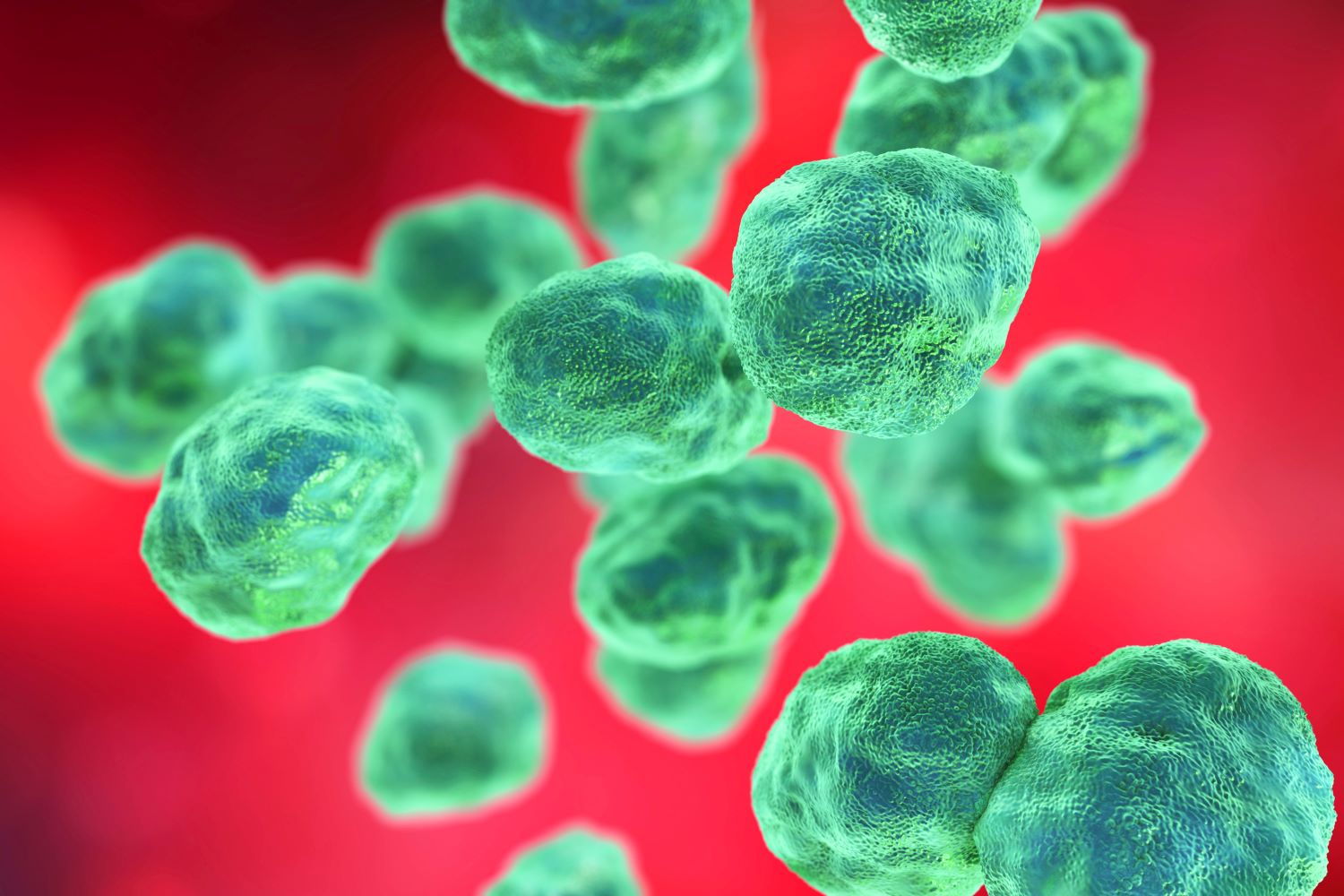 Tularemia is caused by a species of bacteria, Francisella tularensis (pictured, right), which means it is very treatable by antibiotics. However, it spreads very easily. In recent years, Minnesota has seen an increase in tularemia cases stemming from an increase in rates of infected animals.
As with measles, H5N1, and other rare diseases, the Minnesota Infectious Disease Laboratory is carefully monitoring cases of tularemia for the chance of an outbreak. If any of these diseases becomes an immediate public health concern, the lab is prepared to rapidly adapt to confront the threat.
Return to the main 2024 Annual Report page.